R&D Projects

Primary Image

CalNEXT: Laboratory Evaluation of Residential Smart Panels

Residential electrification is accelerating faster than the electrical infrastructure designed to support it. As more households install EV chargers and switch to electric appliances, existing electrical panels are being pushed to their limits, with upgrades often being too costly, complex, and inaccessible to homeowners. Smart electrical panels provide an alternative pathway by dynamically managing circuit-level loads to prevent overcurrent conditions and defer upgrades.

Primary Image

Virtual Home Energy Management Systems

Virtual Home Energy Management Systems

Load flexibility—also known as demand flexibility—has the potential to be a significant, clean, and cost-effective resource for maintaining a reliable power grid, particularly as renewable energy becomes more prominent in California's energy mix. The California Lighting Technology Center (CLTC) at UC Davis is conducting research to enhance load flexibility solutions for buildings, which are major contributors to the state's energy use and emissions.

Primary Image

The Color Lab

The Color Lab

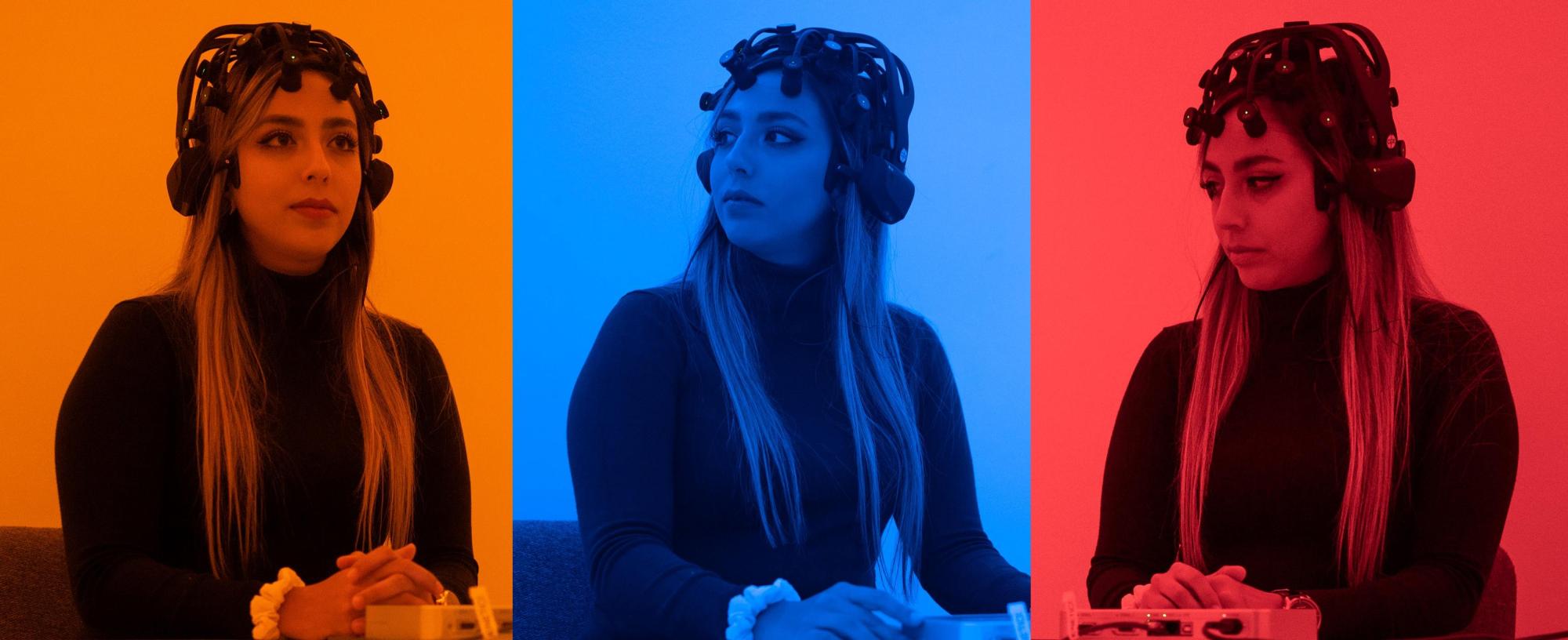
At UC Davis, the California Lighting Technology Center is establishing “The Color Lab” in collaboration with the Center for Mind and Brain to explore the impact of discrete color spectra on stress, mood, and alertness.

Primary Image

CalNEXT

CalNEXT

CalNEXT is a statewide initiative to identify, test, and grow electric technologies and delivery methods to support California’s decarbonized future. CLTC is excited to be part of the CalNEXT team to support the evaluation of electric emerging technologies.

Primary Image

Heavy-Duty Vehicle Electrification and its Potential as a Clean Energy Alternative for Critical Operations

Heavy-Duty Vehicle Electrification and its Potential as a Clean Energy Alternative for Critical Operations

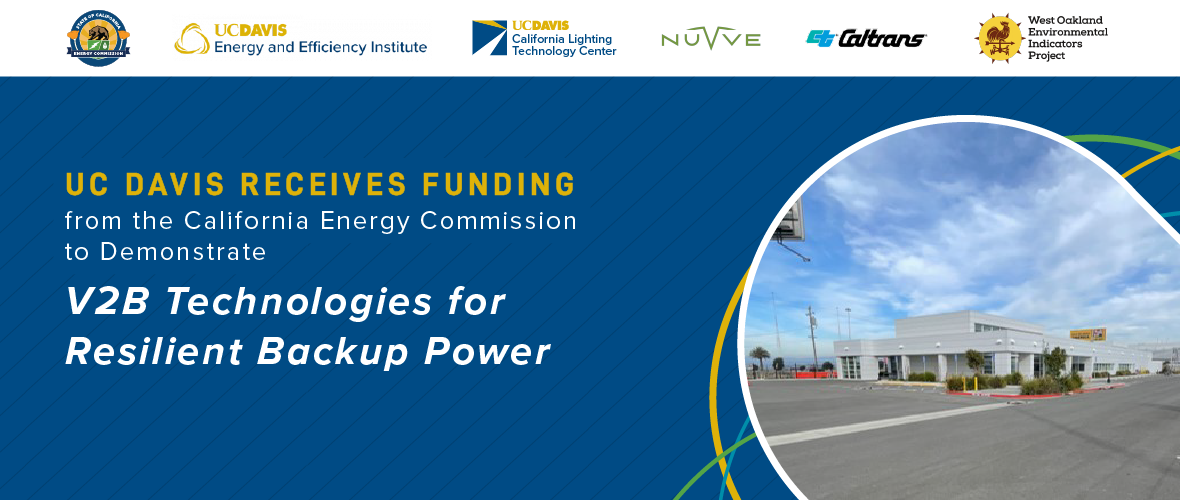
The California Lighting Technology Center is expanding its research capacity to lead a new effort demonstrating vehicle-to-building (V2B) mobile battery energy storage (MBES) as emergency power backup at a Caltrans’ facility in Oakland, California.

This $5.3M project is funded with $3M from the California Energy Commission’s Electric Program Investment Charge Program (EPIC) Program and $2.3M in match funds from project partners.

Primary Image

California Load Flexibility Research & Development Hub

California Load Flexibility Research & Development Hub

The California Load Flexibility Research and Development Hub (CalFlexHub) brings together a multidisciplinary team of experts from numerous sectors—including industry, utilities, academia, manufacturers, and non-profits—to identify, evaluate, develop, fund, and demonstrate promising pre-commercial energy efficiency and distributed energy resource technologies that are flexible, interoperable, and grid-integrated.

Primary Image

Renewable Energy & Advanced Lighting Systems for Grid-Connected Exterior Applications

Renewable Energy & Advanced Lighting Systems for Grid-Connected Exterior Applications

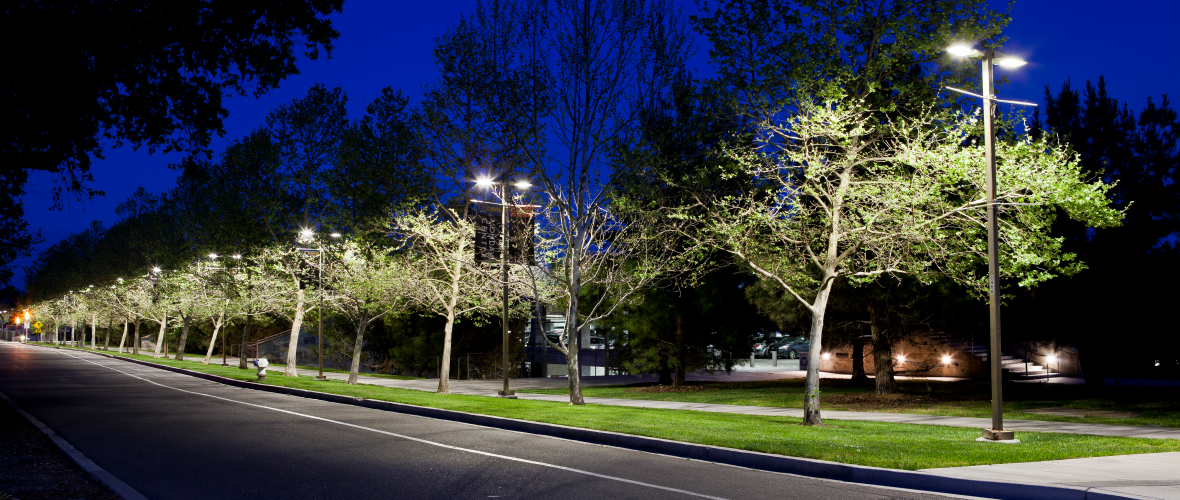
In many communities, exterior lighting operates from early evening through early morning—times when renewable energy generation is minimal. Consequently, most exterior lighting relies on carbon-dense fossil fuels, contributing significantly to greenhouse gas emissions, poor air quality, water pollution, and land degradation.

Primary Image

Empower Procurement Product Evaluation Hub

The Empower Procurement Product Evaluation Hub is an ongoing project aimed at evaluating distributed energy resource (DER) products using a systematic approach and summarizing the data in a way that is useful for large commercial and institutional customers (e.g., K-12 schools, universities, local/state government, agriculture, commercial real estate). The Hub will allow institutions to choose appropriate and efficient products for their application, thereby saving money, energy, and the environment.

Primary Image

Adaptive Sensor-Based Lighting for Security Applications

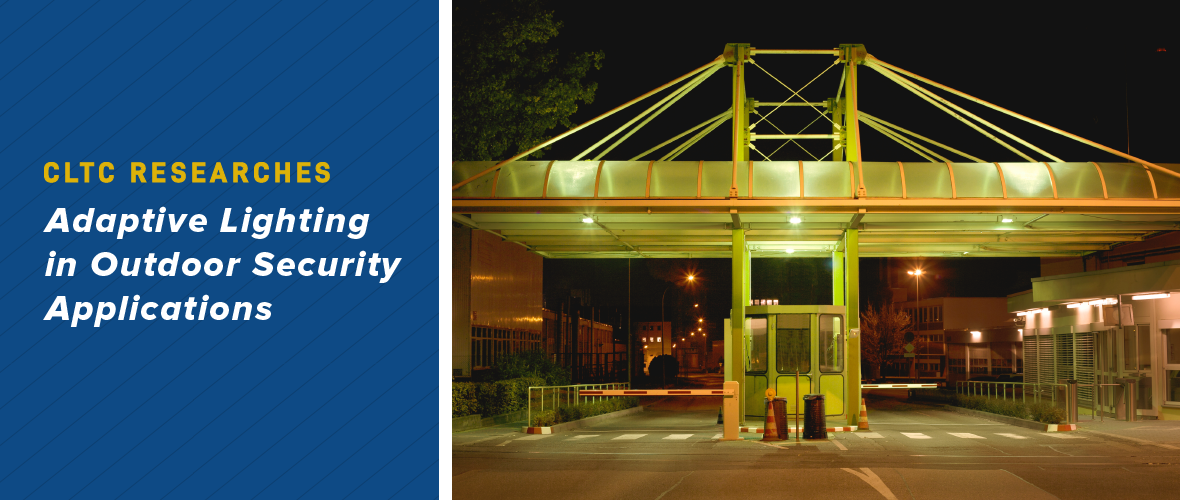
Traditional outdoor lighting technologies operate at full power throughout the night, even when areas are vacant.  This extra load, energy waste and light pollution can be averted by updating the lighting system with energy-efficient light sources and lighting controls.  By installing these technologies, adaptive lighting strategies can be implemented that provide the right amount of light when and where it is needed.