The Institutional-level Adaptive Controls for Exterior Lighting system incorporates exterior light points — pathways, building perimeters, parking lots, and roadways — into one smart, wireless system.
Originally launched as a pilot study, this system has since been installed for over 1,600 luminaires at the University of California, Davis.
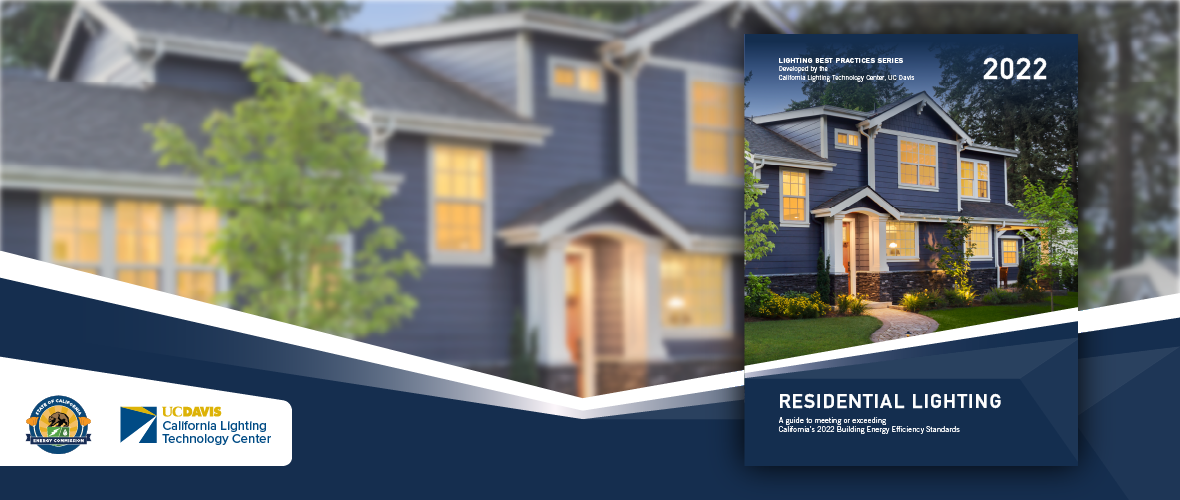
These presentation slides cover best practices for residential lighting design. The material is designed to help builders meet, or exceed, California's 2008 Title 24 Building Energy Efficiency Standards. It includes background and policy, common lighting terms and technology updates, guidance in residential lighting design, a step-by-step overview of the Title 24 compliance process, and additional resources.
Adaptive exterior lighting products are entering the marketplace at a rapid rate. By coupling features such as occupancy-based lighting controls with efficacious, dimmable sources, these solutions offer 30–75% energy savings over traditional systems.
The State Partnership for Energy Efficient Demonstrations (SPEED) program drives the market adoption of energy efficient technologies. Managed through the California Institute for Energy and Environment (CIEE), SPEED has conducted more than 100 demonstrations and other technology-transfer projects across the state, showcasing the benefits of best practices and state-of-the-art solutions.
A growing number of LED products are entering the market, adding to the many choices consumers already face. By 2025, 60 percent of residential lighting across the U.S. will likely be LED-based. While nearly all LED lighting choices offer energy savings, not all LED products are created equal, and LEDs may not always be the best type of lamp to use. Professor Michael Siminovitch, director of the California Lighting Technology Center at UC Davis, urges people to consider five things when looking for the right light.
Changes to the lighting requirements under Title 24, Part 6 took effect July 1, 2014. This brief guide offers an overview of important requirements and major updates to these lighting codes and standards.
Adaptive exterior lighting is a relatively new concept recognized by the lighting industry and energy regulators as a potential method to increase energy savings in outdoor applications. This method of lighting effectively reduces energy use in spaces with low occupancy rates where a minimum light level is required for safety or other reasons, preventing the lights from being completely extinguished. This is a guide for implementing adaptive, energy-efficient exterior lighting.
This guide aims to assist in the process of integrating energy-efficient lighting technologies as retrofits into national parks, and it offers tips for evaluating light sources, performing a lighting audit, and pairing lamps with lighting controls. This guide is intended to function as an overview of opportunities that exist for lighting improvements in visitor centers in the National Park Service facilities, as well as in other parks throughout the United States.