Best Practices

Primary Image

Title 24: Retail Lighting Class Presentations

Good retail lighting presents the store’s merchandise in a way that makes shopping a comfortable and engaging experience. In most retail applications, this involves maximizing illumination while minimizing the visibility of light sources. This allows customers to focus on what is being lit, versus the lighting itself. These modules are training materials for the Title 24 Retail course. This intermediate class is for professionals who design, specify, and/or inspect lighting installations in new and remodeled retail spaces.

Primary Image

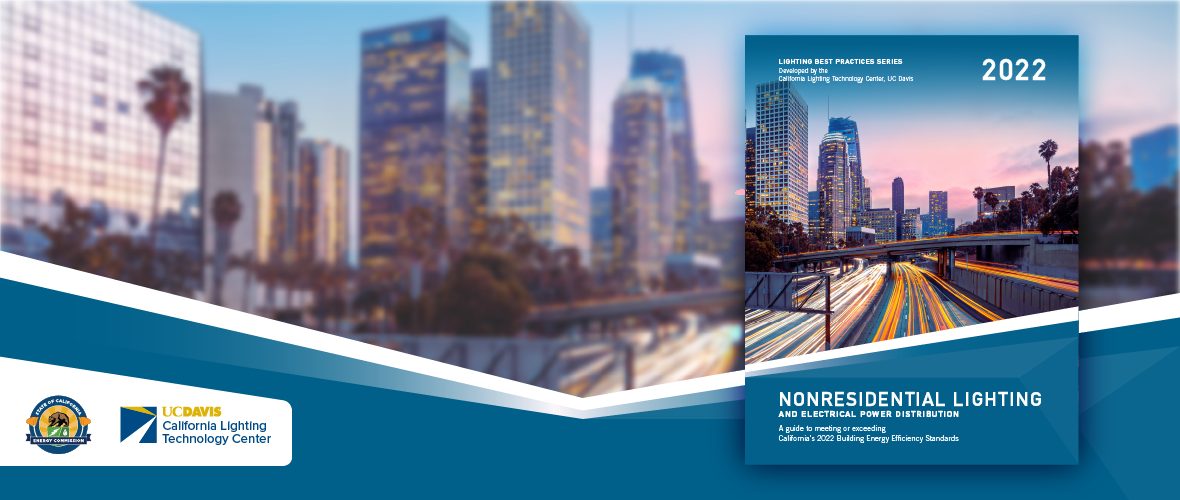
Nonresidential Lighting and Electrical Power Distribution Guide for 2016 Building Energy Efficiency Standards

The California Lighting Technology Center’s 2016 Nonresidential Lighting and Electrical Power Distribution Guide assists builders and lighting industry professionals in navigating the nonresidential lighting portion of California’s Building Energy Efficiency Standards (Title 24, Part 6). California's new nonresidential Building Energy Efficiency Standards took effect on January 1, 2017.

Primary Image

Lighting Fact Sheets for 2016 Building Energy Efficiency Standards

The California Lighting Technology Center has developed a series of fact sheets designed to raise awareness of the 2016 Building Energy Efficiency Standards, which took effect on January 1, 2017. These materials are intended to increase knowledge and implementation of code-compliant lighting for California’s residential and non-residential buildings. 

Available fact sheets focus on key areas of the Energy Standards including:

Primary Image

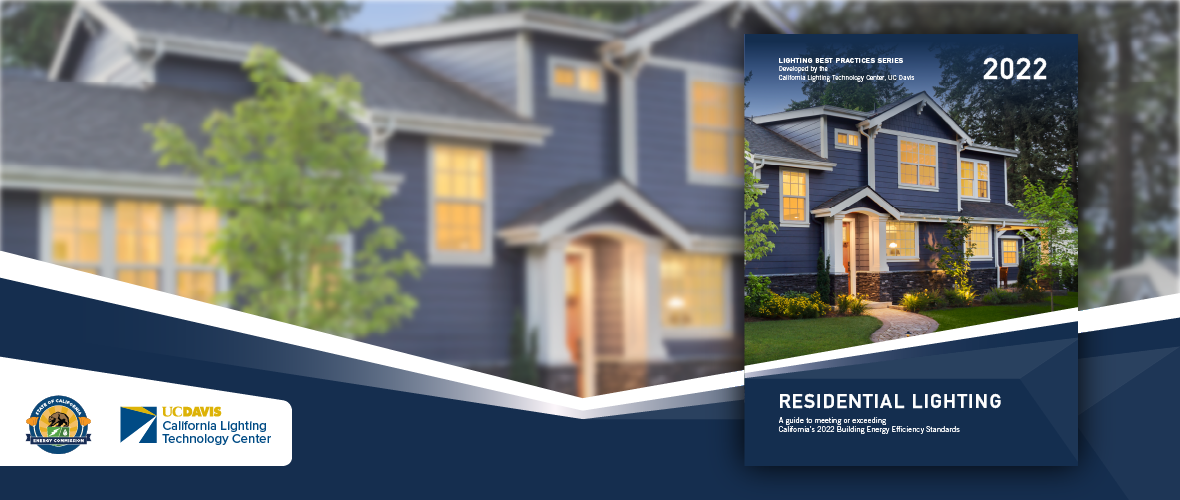
Residential Lighting Guide for 2016 Building Energy Efficiency Standards

The California Lighting Technology Center’s 2016 Residential Lighting Guide assists builders and lighting industry professionals in navigating the residential lighting portion of California’s Building Energy Efficiency Standards (Title 24, Part 6). California's new residential Building Energy Efficiency Standards take effect on January 1, 2017.

Primary Image

Let's Talk About Nonresidential Lighting

Energy Code Ace and CLTC delivered a 2-hour webinar focused on upcoming lighting code requirements contained in the 2016 Building Energy Efficiency Standards (Title 24, Part 6).

Primary Image

Lighting Appliance Efficiency Regulations: What's New in the Title 20 Code?

The California Energy Commission adopted new standards updating the Appliance Efficiency Regulations (Title 20) for lighting appliances. Updates rolled out in two tiers with Tier 1 effective January 1, 2018 and Tier 2 effective July 1, 2019. Notably, this update added standards for small-diameter directional lamps. The updated regulations incorporate elements of lighting product quality for both general service LED lamps and small-diameter directional lamps in addition to the traditional lighting appliance efficiency standards previously included in the regulations.

Primary Image

Nonresidential Lighting: What's New in the 2016 Title 24, Part 6 Code?

California's new nonresidential Building Energy Efficiency Standards take effect on January 1, 2017. The 2016 Standards focus on several key areas to improve the energy efficiency of newly constructed buildings, additions and alterations to existing buildings. California's Standards now align with ASHRAE 90.1 2013 standards and include more stringent lighting power density limits for many indoor and outdoor spaces.

Primary Image

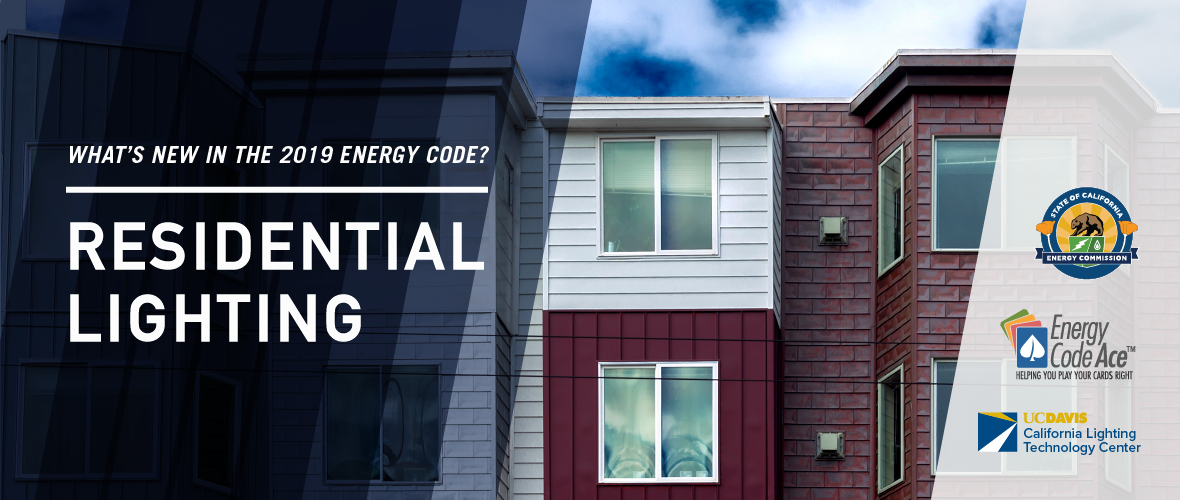
Residential Lighting: What's New in the 2016 Title 24, Part 6 Code?

California's new residential Building Energy Efficiency Standards take effect on January 1, 2017. The 2016 Standards focus on several key areas to improve the energy efficiency of newly constructed buildings, additions and alterations to existing buildings. The most significant efficiency improvements address attics, walls, water heating and lighting. The California Energy Commission estimates that the 2016 standards will deliver approximately 281 gigawatt-hours of electricity savings annually and reduce statewide greenhouse gas emissions by 160,000 metric tons.

Primary Image

2015 Lighting Technology Overview

The 2015 Lighting Technology Overview (LTO) provides overviews of commercial and residential lighting technologies and strategies with the potential to significantly reduce California’s lighting energy use. The guide includes information on expected energy savings, factors to consider when comparing products, sample products, and case studies for indoor and outdoor lighting and controls technologies. Products in the guide include:

Primary Image

Liberty Lighting Guidelines for Zero Net Energy Communities

CLTC is partnering with Liberty to create a zero net energy community in West Sacramento along the Sacramento River. The Liberty Lighting Guide provides design and technical specifications, application of directives, as well as Title 24 code compliance requirements for residential, outdoor, private community clubhouses, K–8 schools, private clubhouses, neighborhood commercial spaces, parks, greenbelts, trails, sports, and recreation centers.