Commercial kitchens remain heavily reliant on gas-powered cooking equipment, including conveyor ovens and charbroilers. Emerging electric alternatives, such as electric conveyor ovens and charbroilers, could potentially improve energy efficiency and indoor air quality. However, these emerging technologies face challenges in market adoption due to limited performance data, unfamiliarity with electric appliances in commercial kitchens, concerns about reliability and cost, and the absence of rebate offerings.
Smart, single-unit washer/dryer appliances integrate both functions into a compact footprint, offering an ideal solution for homes with limited space, including apartments and multifamily dwellings. In parallel, AI-enabled stand-alone washers and dryers provide similar smart capabilities within traditional two-unit configurations.
Residential electrification is accelerating faster than the electrical infrastructure designed to support it. As more households install EV chargers and switch to electric appliances, existing electrical panels are being pushed to their limits, with upgrades often being too costly, complex, and inaccessible to homeowners. Smart electrical panels provide an alternative pathway by dynamically managing circuit-level loads to prevent overcurrent conditions and defer upgrades.
Plug Load Energy Testing to Inform Codes & Standards (PLETICS)
The Plug Load Energy Testing to Inform Codes & Standards project, funded by the California Energy Commission, sought to identify energy efficiency opportunities in noncovered plug load devices to inform future codes and standards. The project was conducted by the California Energy Alliance and its partners, and it targeted commercial office equipment, residential networking equipment, and laboratory equipment.
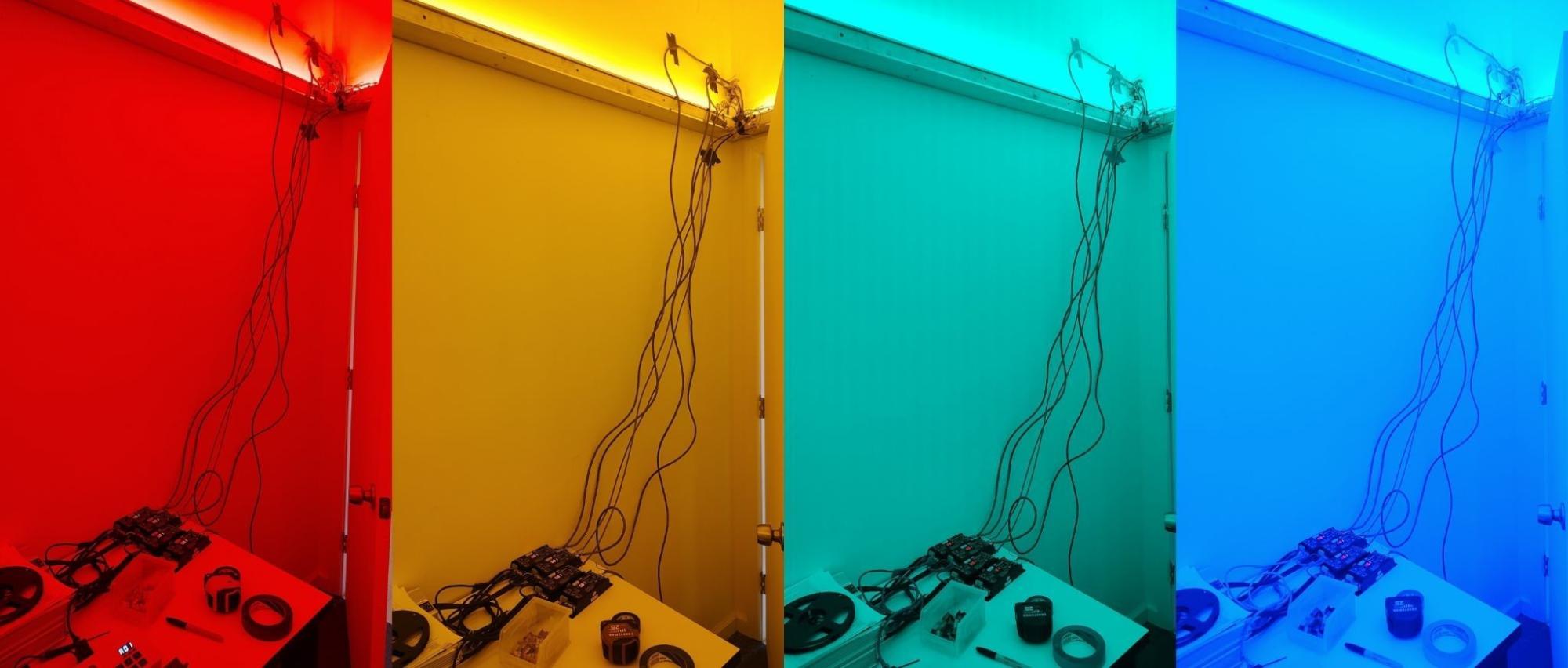
New research from California Lighting Technology Center (CLTC) in collaboration with the Center for Mind and Brain has revealed that ambient lighting can play a critical role in how we recover from stress. Backed by Toyota Boshoku America, Seoul Semiconductor, and Color Kinetics, the study involved more than 100 participants undergoing a stressful social scenario—delivering a speech and performing math in front of masked judges in white coats. The team, led by CLTC researcher Jae Yong Suk and Dr.
Load flexibility—also known as demand flexibility—has the potential to be a significant, clean, and cost-effective resource for maintaining a reliable power grid, particularly as renewable energy becomes more prominent in California's energy mix. The California Lighting Technology Center (CLTC) at UC Davis is conducting research to enhance load flexibility solutions for buildings, which are major contributors to the state's energy use and emissions.
CalNEXT is a statewide initiative to identify, test, and grow electric technologies and delivery methods to support California’s decarbonized future. CLTC is excited to be part of the CalNEXT team to support the evaluation of electric emerging technologies.
Heavy-Duty Vehicle Electrification and its Potential as a Clean Energy Alternative for Critical Operations
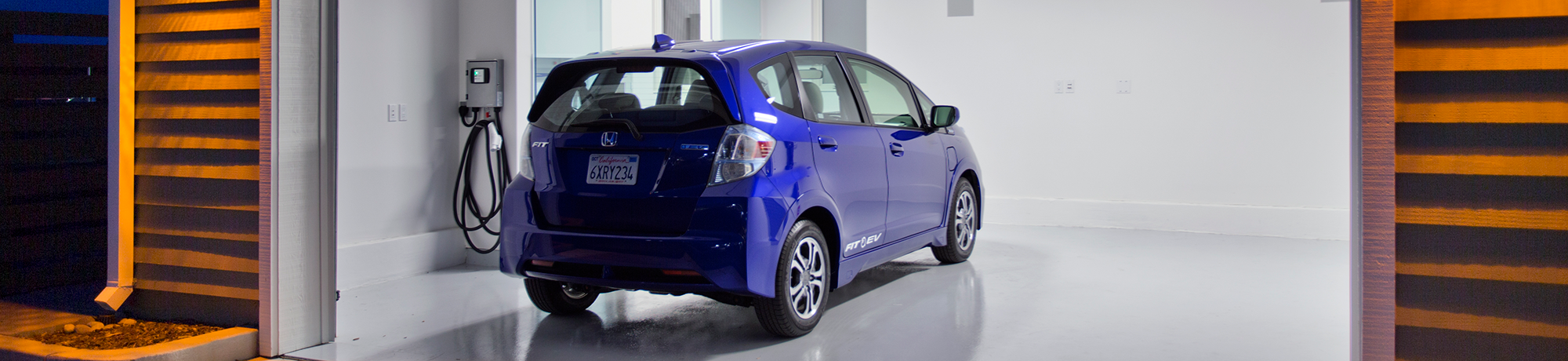
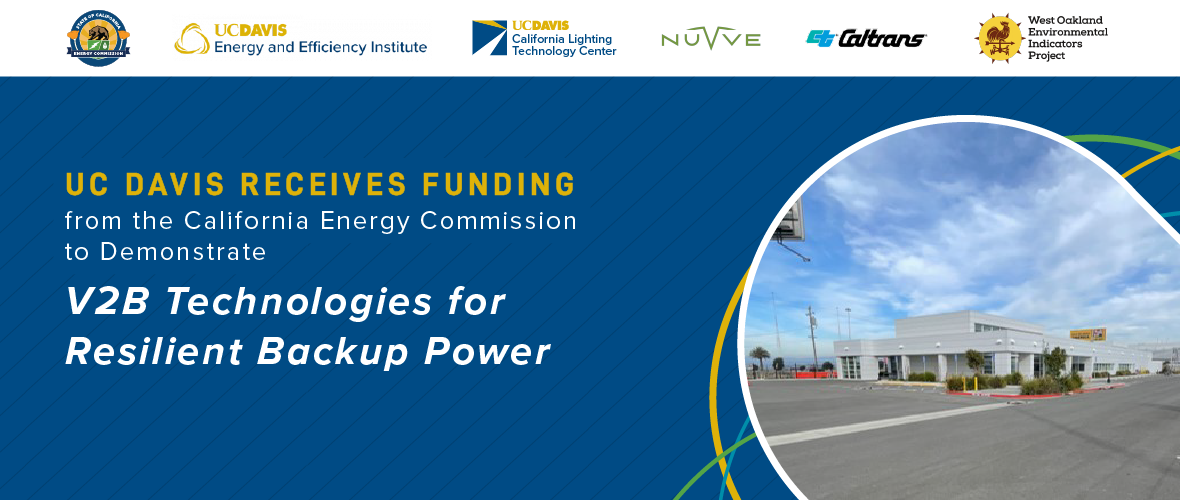
The California Lighting Technology Center is expanding its research capacity to lead a new effort demonstrating vehicle-to-building (V2B) mobile battery energy storage (MBES) as emergency power backup at a Caltrans’ facility in Oakland, California.
This $5.3M project is funded with $3M from the California Energy Commission’s Electric Program Investment Charge Program (EPIC) Program and $2.3M in match funds from project partners.
California Load Flexibility Research & Development Hub
The California Load Flexibility Research and Development Hub (CalFlexHub) brings together a multidisciplinary team of experts from numerous sectors—including industry, utilities, academia, manufacturers, and non-profits—to identify, evaluate, develop, fund, and demonstrate promising pre-commercial energy efficiency and distributed energy resource technologies that are flexible, interoperable, and grid-integrated.