Outreach

Outreach Projects

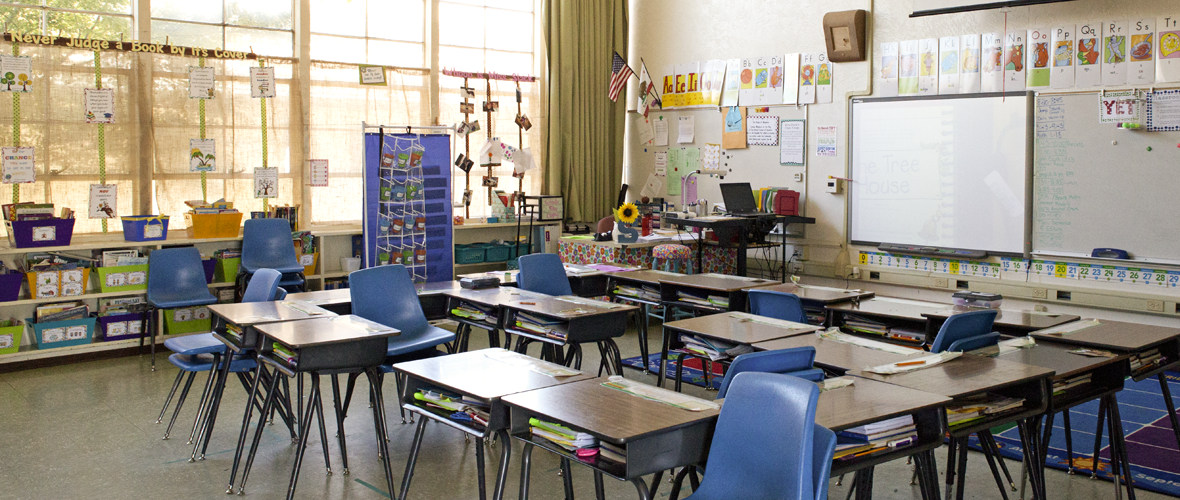
Desks in an empty K-12 classroom

Proposition 39

Each year, California schools spend approximately as much money on energy—$700 million—as they do on books and supplies.1 Education spending is a frequent point of debate among politicians and citizens, and maximizing the implementation of energy efficient technologies in school facilities could act as a way to increase education budgets without allocating additional public funds.

Light-RITE California: The Lighting Retrofit Information, Training and Education Program

Light-RITE California: The Lighting Retrofit Information, Training and Education Program

Public buildings across California are undergoing retrofits as part of efforts to meet state energy and climate goals, including those mandated by AB 1109, Executive Order B-18-12 and the Lighting Action Plan of the California Public Utilities Commission. As funding expands and legislative deadlines approach, facility managers feel increasing pressure to act, but they face a daunting task in selecting from the growing number of lighting solutions on the market.

All High Efficacy Lighting for Residential Applications

All High Efficacy Lighting for Residential Applications

California’s 2013 Title 24 requirements for building energy efficiency call for some high-efficacy lighting in a limited number of residential space types, such as kitchens and bathrooms. A future code requirement that all residential lighting be high efficacy has the potential to yield significant energy savings across the state, but implementation must first be proven practical and cost-effective.

Adaptive Circadian Lighting Demonstration: Honda Smart Home US

Adaptive Circadian Lighting Demonstration: Honda Smart Home US

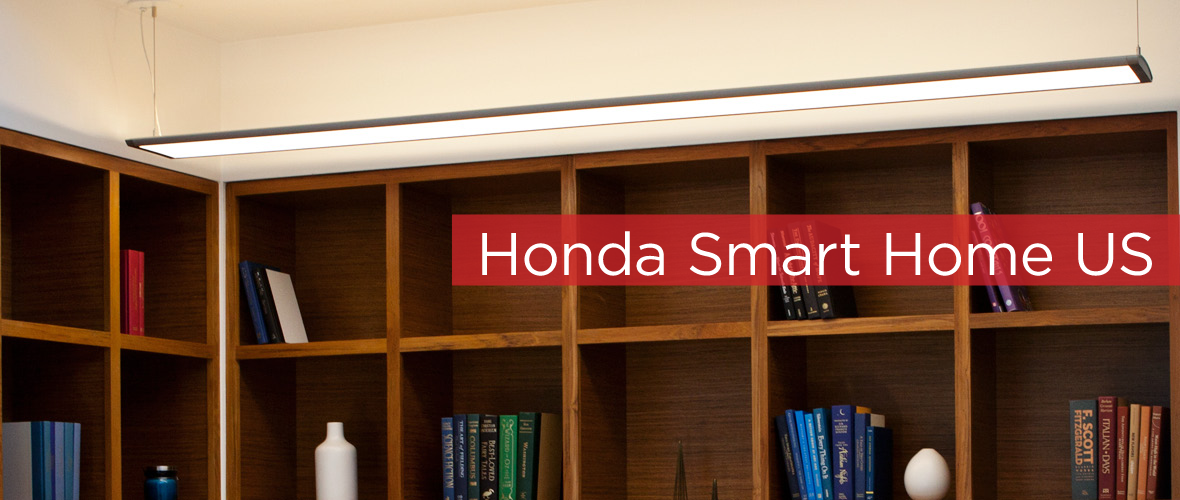
CLTC and UC Davis have partnered with affiliate American Honda Motor Co., Inc. on the Honda Smart Home US project. Groundbreaking took place April 23, 2013 at UC Davis West Village. Project leaders from UC Davis and Honda celebrated the project's completion at an open house event on March 25, 2014. The zero net energy (ZNE) home is a model of residential sustainability, demonstrating best-practice solutions for lighting in new construction projects.

Title 24 Building Energy Efficiency Standards

CLTC's Title 24, Part 6 resources are designed to help builders and lighting industry professionals become more familiar with California's Building Energy Efficiency Standards.

CLTC currently provides training materials for the following applications:

Streetlighting Market Assessment & Survey

Streetlighting Market Assessment & Survey

CLTC and the Energy Efficiency Center at UC Davis partnered with Chevron Energy Solutions to map out California's current streetlight infrastructure. Researchers gathered data on 1.1 million streetlights from 212 cities throughout the state.

CPUC Support

CPUC Support

CLTC communicates and collaborates with the Energy Division of the California Public Utilities Commission (CPUC) to provide objective information and expert analysis that may inform the Commission’s lighting-related energy policies, programs and mandates. CLTC supports the CPUC’s Energy Division in its lighting-related goals, initiatives and activities, including the Lighting Action Plan, a near-term implementation guide for achieving the goals stated in the Lighting Chapter of California’s Long-Term Energy Efficiency Strategic Plan.