Expanding Apprenticeship & Training to Enable Smart Cities with Enhanced Cyber Security
In June 2017, the President issued Executive Order 13801 on Expanding Apprenticeship in America, which establishes an expansive vision for increasing the number of apprentices in the nation to an unprecedented level across all industries. The overarching goals of this Apprenticeship: Closing the Skills Gap grant program are threefold:
Evaluating Opportunities in Advanced Daylighting Retrofits
Interior lighting remains a large component of electricity use in non-residential buildings. In California, electric lighting has both a direct effect on peak load, and an indirect effect by increasing cooling requirements during summer peak hours. Effective daylighting combined with electric lighting dimming controls can directly offset electric lighting energy by reducing lighting levels when necessary to reduce the load on the cooling system.
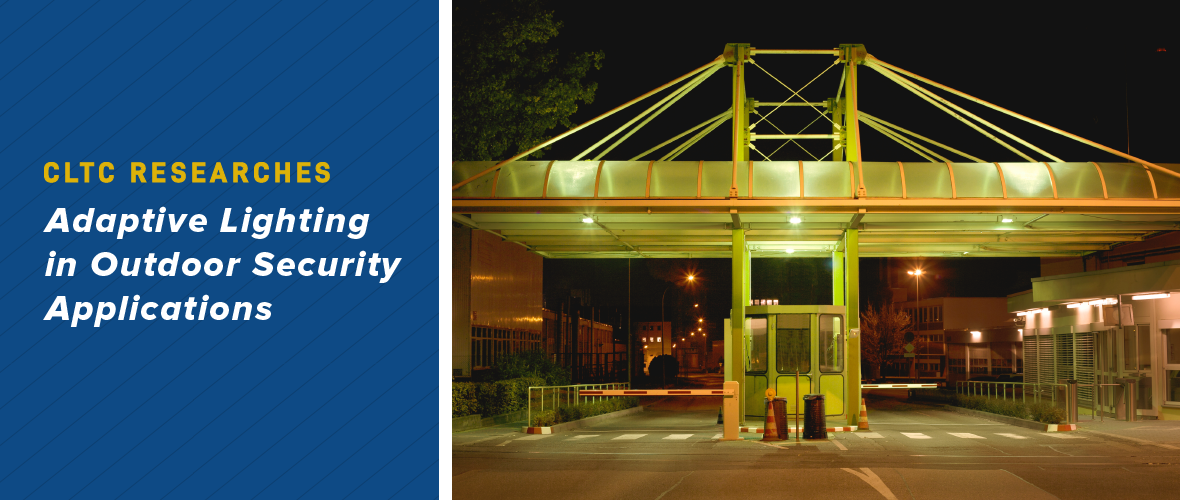
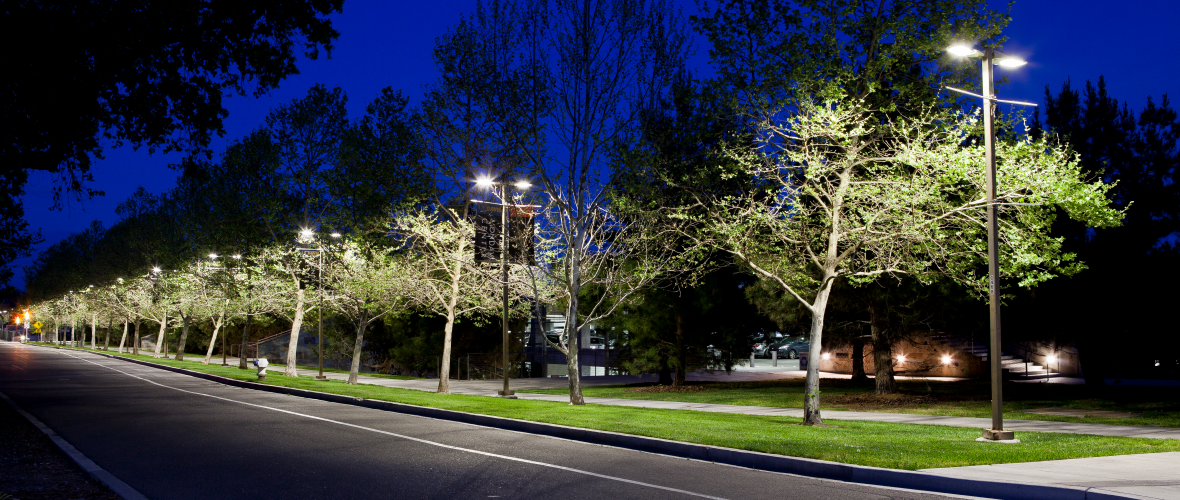
Traditional outdoor lighting technologies operate at full power throughout the night, even when areas are vacant. This extra load, energy waste and light pollution can be averted by updating the lighting system with energy-efficient light sources and lighting controls. By installing these technologies, adaptive lighting strategies can be implemented that provide the right amount of light when and where it is needed.
In the fall of 2017, the Mexican Ministry of Energy awarded funding to the Universidad Autónoma de Guadalajara in collaboration with the University of California Davis to establish a lighting technology and design research center known as the Centro de Tecnología de Iluminación (CTI). This is a multi-year, public-private investment focused on addressing growing climate change concerns through translational research committed to clean energy and sustainability in Mexico.
The Consortium for Energy Efficiency in Non-Residential Buildings (The Consortium), supported by the National Council for Science and Technology and Secretary of Energy in Mexico, is focused on reducing electricity demand in Mexico’s non-residential buildings through collaborative efforts with industry, government and universities. Specifically, the Monterrey Institute of Technology and Higher Education, with assistance from UC Davis, is funded to implement an energy efficiency laboratory featuring lighting and air conditioning technologies for non-residential buildings.
Phase 1 of the Million LED Challenge was officially launched! The MLC Phase 1 purchasing standards follow the Voluntary California Quality LED Lamp Specification published by the California Energy Commission and used by California investor-owned utilities to determine which lamps are eligible to receive incentives.
The Residential Lighting Design Guide outlines best practices in lighting design to help builders comply with California's 2019 Title 24 Energy Standards requirements.
Topics include:
Explanation of the code
Technical and compliance information
Lighting design examples
The lighting design guide will cover code explanation and floor plan examples of the following areas:
This Office Lighting course is designed for those who design, specify, or inspect lighting installations in new and remodeled commercial office spaces. The curriculum includes an overview of current lighting technologies, including LED luminaires, and updates on new lighting requirements and sections in the 2019 standards.
Learning outcomes for course participants include the ability to:
The CLTC provides technical assistance on a variety of lighting topics as they relate to the Energy Standards. CLTC’s expertise assists the Energy Commission and utilities on lighting-related issues to clarify, update and maintain the existing Energy Standards and provide support for the development of the 2022 Standards.
To date, CLTC has focused on outdoor lighting measures and outdoor occupancy sensors.
The California Lighting Technology Center (CLTC) at the University of California Davis collaborated with the California Energy Commission to provide educational video series and lighting fact sheets in support of the 2016 Building Energy Efficiency Standards (Title 24). Videos and fact sheets cover four key topics:
Lighting Controls Technologies & Requirements
High-Efficacy Lighting for Residential Applications