Human Factors

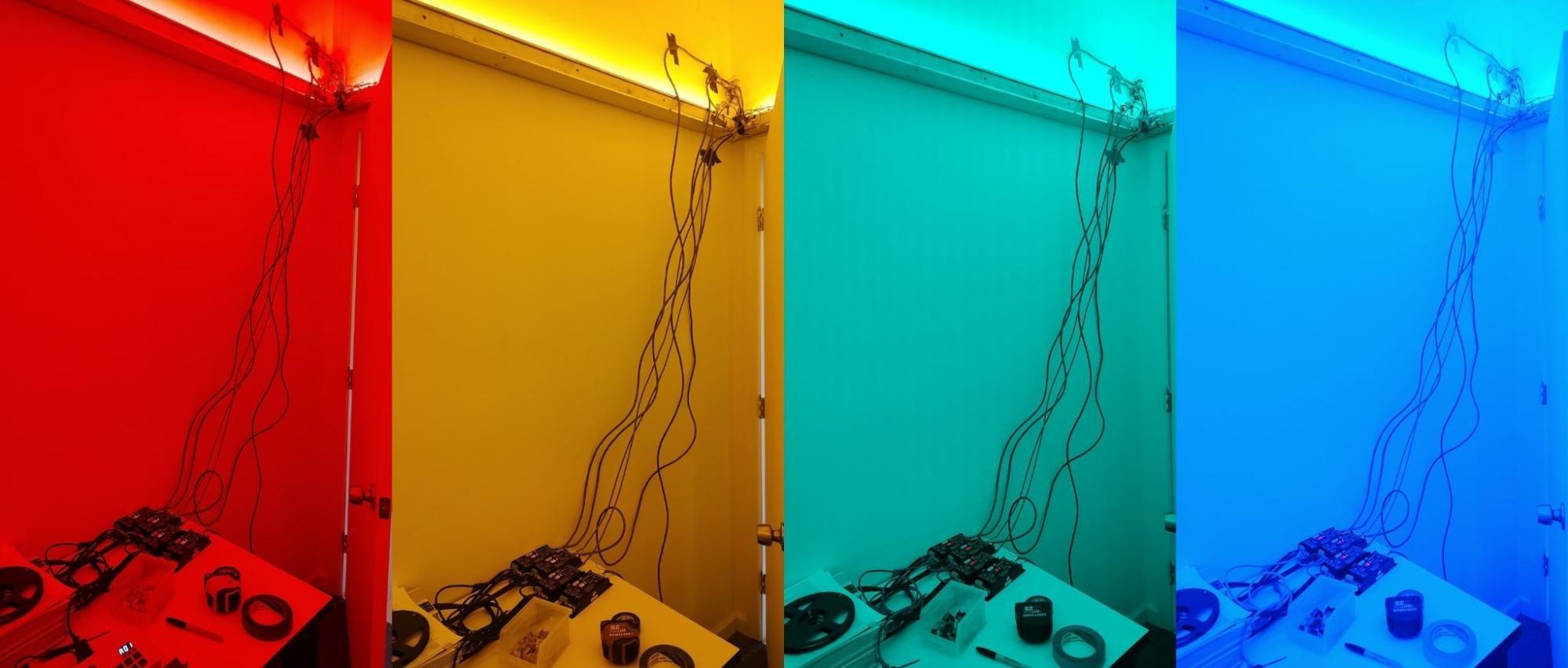
color lab with different colors

Stress Study

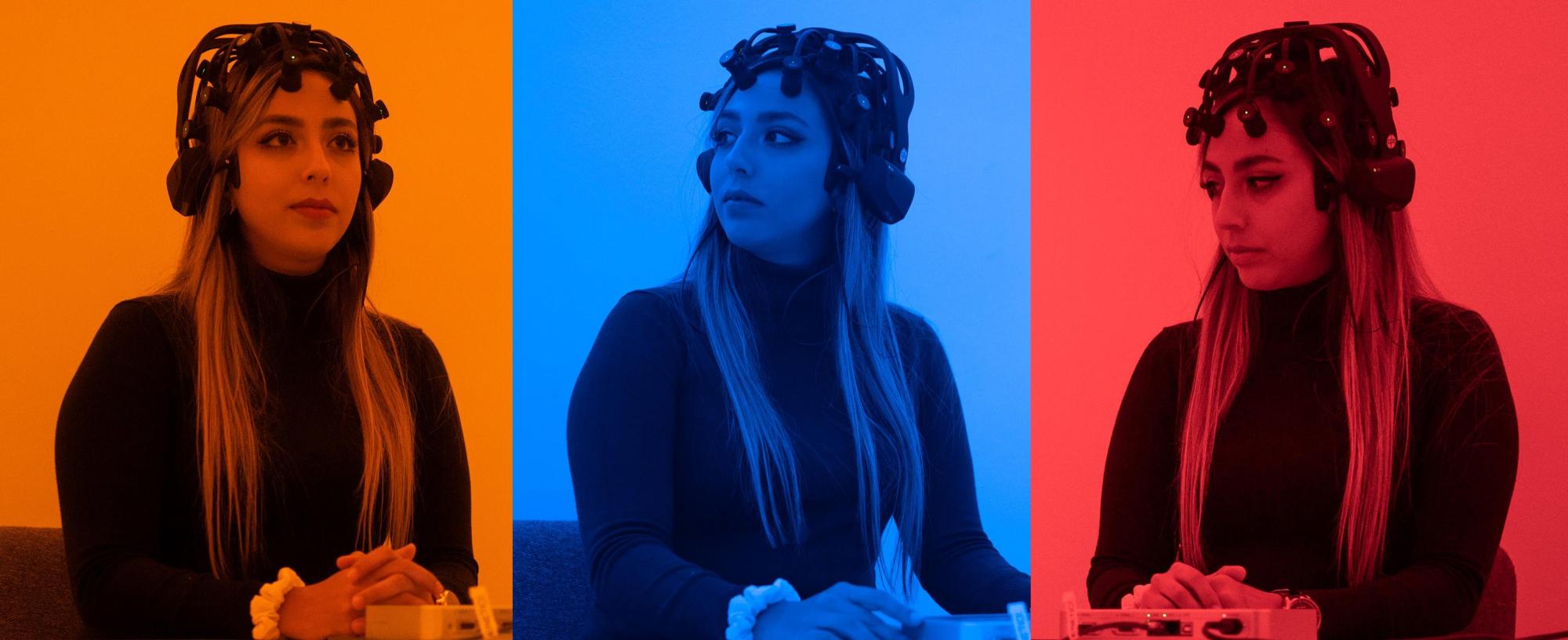
New research from California Lighting Technology Center (CLTC) in collaboration with the Center for Mind and Brain has revealed that ambient lighting can play a critical role in how we recover from stress. Backed by Toyota Boshoku America, Seoul Semiconductor, and Color Kinetics, the study involved more than 100 participants undergoing a stressful social scenario—delivering a speech and performing math in front of masked judges in white coats. The team, led by  CLTC researcher Jae Yong Suk and Dr.

Color Lab

The Color Lab

At UC Davis, the California Lighting Technology Center is establishing “The Color Lab” in collaboration with the Center for Mind and Brain to explore the impact of discrete color spectra on stress, mood, and alertness.

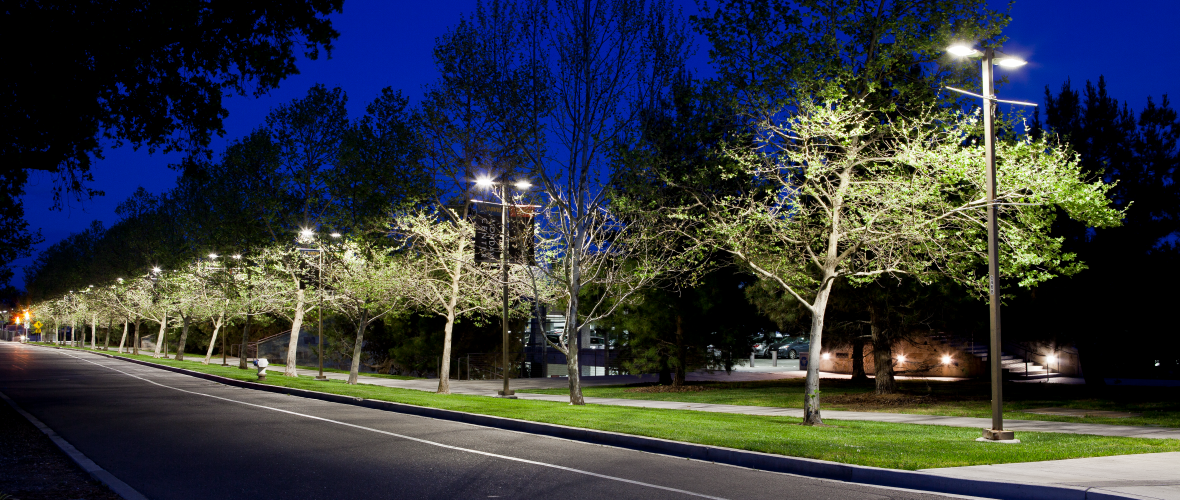
Line of trees along the street illuminated by lighting posts

Renewable Energy & Advanced Lighting Systems for Grid-Connected Exterior Applications

Renewable Energy & Advanced Lighting Systems for Grid-Connected Exterior Applications

In many communities, exterior lighting operates from early evening through early morning—times when renewable energy generation is minimal. Consequently, most exterior lighting relies on carbon-dense fossil fuels, contributing significantly to greenhouse gas emissions, poor air quality, water pollution, and land degradation.

Establishing a Lighting Center for Mexico

Establishing a Lighting Center for Mexico

In the fall of 2017, the Mexican Ministry of Energy awarded funding to the Universidad Autónoma de Guadalajara in collaboration with the University of California Davis to establish a lighting technology and design research center known as the Centro de Tecnología de Iluminación (CTI). This is a multi-year, public-private investment focused on addressing growing climate change concerns through translational research committed to clean energy and sustainability in Mexico.

A-Lamp Testing

New Generation of LED Lighting Systems

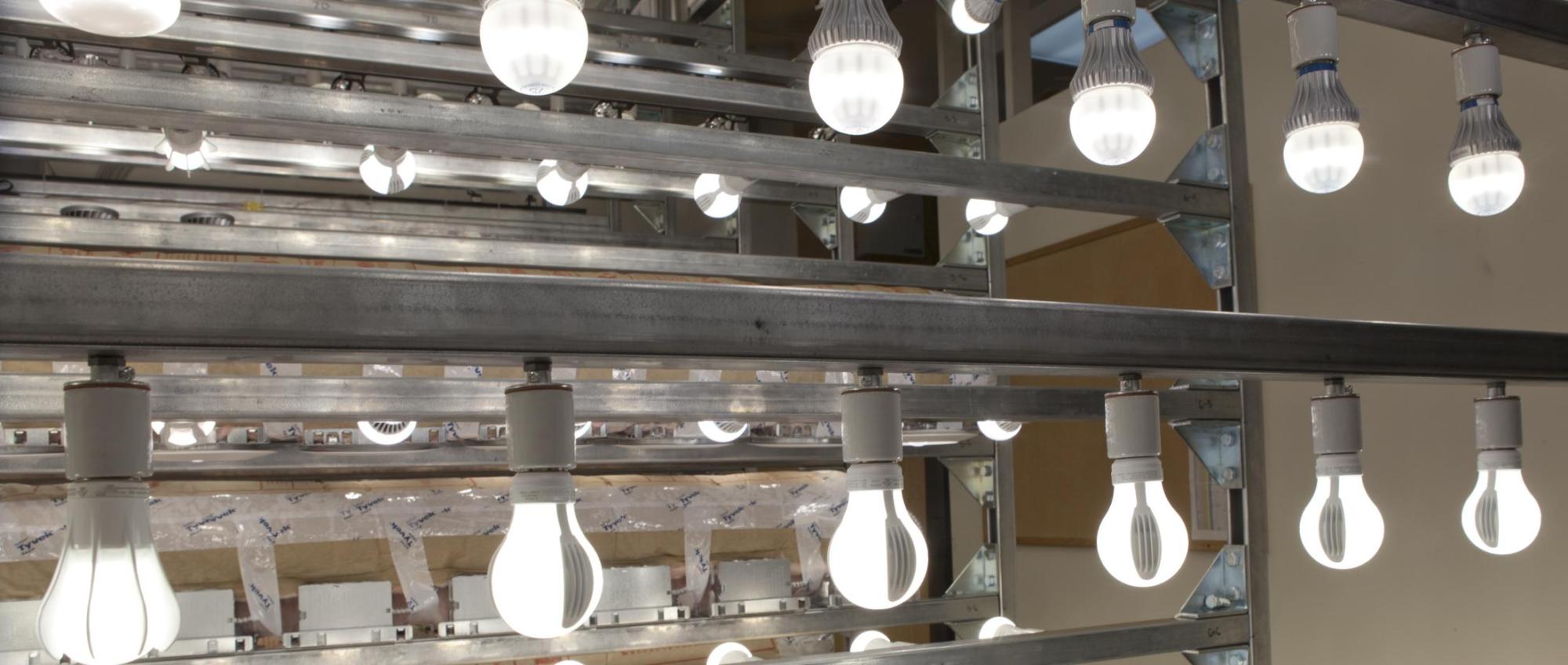
Widespread adoption of LED lighting for general illumination applications is poised to be the single, largest advancement in lighting efficiency during the 21st century. Due to its potential, a variety of market actors have introduced LED products and made associated performance claims that have set the technology up with somewhat unrealistic expectations regarding system efficacy and longevity. To compete in this market, LED manufacturers have focused on research to improve efficacy and reduce product costs, often at the expense of product quality and feature optimization.

A group of eight community professors having a discussion

California Community Colleges Energy Workforce Development

The California Community Colleges (CCC) and the project team at the University of California collaborated on a shared initiative to improve and advance energy efficiency workforce development to meet industry standards and employer needs in the clean energy economy. The project team will assess and improve existing CCC training programs over the course of this project.

Desks in an empty K-12 classroom

Proposition 39

Each year, California schools spend approximately as much money on energy—$700 million—as they do on books and supplies.1 Education spending is a frequent point of debate among politicians and citizens, and maximizing the implementation of energy efficient technologies in school facilities could act as a way to increase education budgets without allocating additional public funds.

Adaptive Circadian Lighting Demonstration: Honda Smart Home US

Adaptive Circadian Lighting Demonstration: Honda Smart Home US

CLTC and UC Davis have partnered with affiliate American Honda Motor Co., Inc. on the Honda Smart Home US project. Groundbreaking took place April 23, 2013 at UC Davis West Village. Project leaders from UC Davis and Honda celebrated the project's completion at an open house event on March 25, 2014. The zero net energy (ZNE) home is a model of residential sustainability, demonstrating best-practice solutions for lighting in new construction projects.

Streetlighting Market Assessment & Survey

Streetlighting Market Assessment & Survey

CLTC and the Energy Efficiency Center at UC Davis partnered with Chevron Energy Solutions to map out California's current streetlight infrastructure. Researchers gathered data on 1.1 million streetlights from 212 cities throughout the state.

An electrician working with intense focus on wires connected to a light fixture

Advanced Lighting Control Training Program (CALCTP & NALCTP)

The California Advanced Lighting Controls Training Program (CALCTP) provides training and certification to electricians, contractors, acceptance test technicians, building operators and managers. The program is increasing the use of energy-saving lighting controls in commercial buildings and ensuring they are properly installed and commissioned for maximum effectiveness.